Mohs Surgery
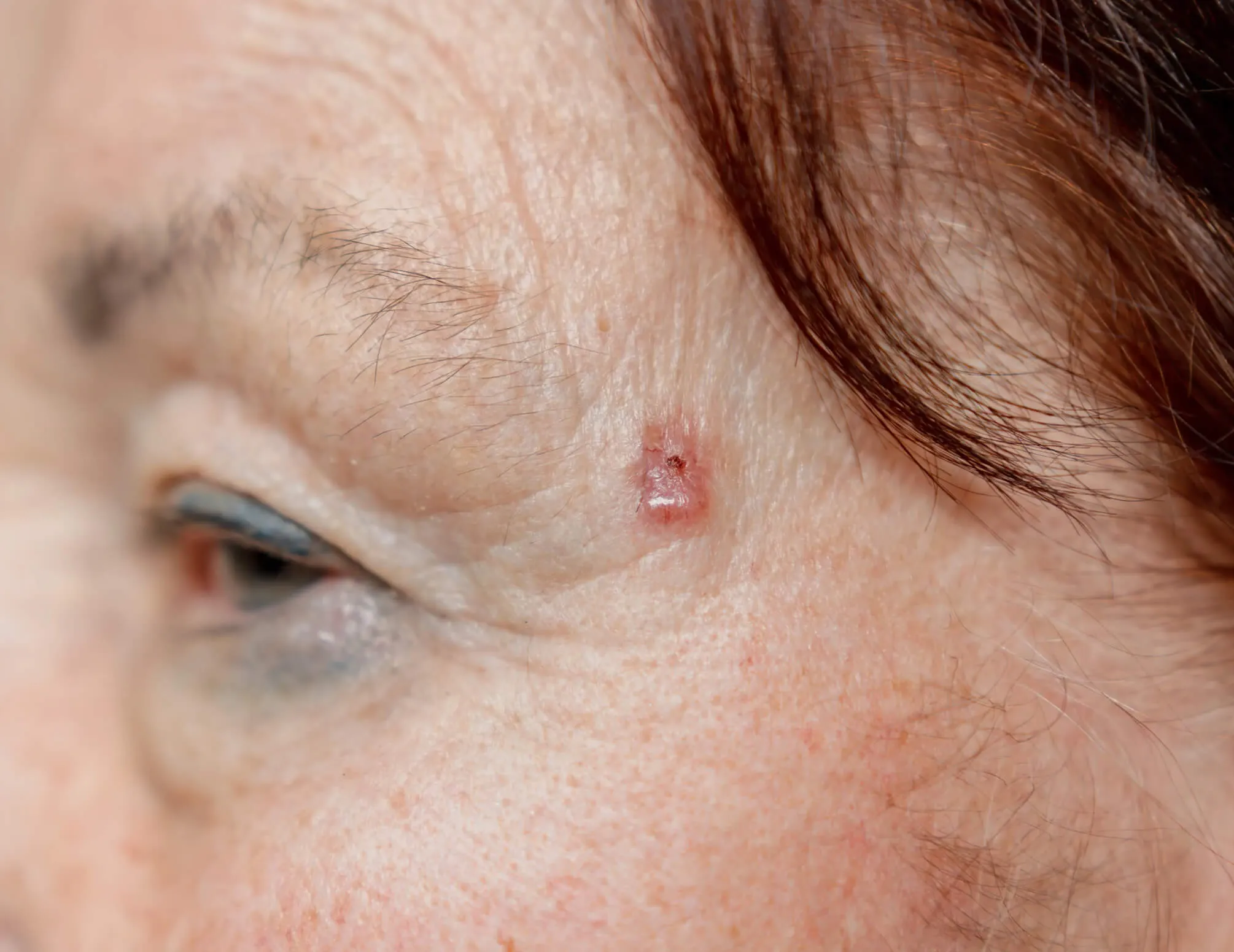
Skin cancer is one of the most common types of cancer, but thanks to advanced treatment options like Mohs surgery, it is also one of the most treatable. Dr. Hedayati, a fellowship-trained Mohs surgeon, is dedicated to providing expert, patient-centered care using the latest advancements in dermatologic surgery to prevent and address any skin cancer. Whether you have recently been diagnosed with skin cancer or are exploring treatment options, understanding Mohs surgery can help you make an informed decision about your skin health.
Benefits of Mohs Surgery
Mohs surgery is widely regarded as the gold standard for treating common and complex skin cancers due to its numerous advantages:

High cure rate
Examining 100% of the tissue margins ensures that cancerous cells are fully identified and removed.

Tissue preservation
By removing only the affected skin, Mohs surgery minimizes scarring and helps preserve both function and appearance.

Same-day results
Analyzing tissue in real-time provides immediate confirmation that the margins are clear before the wound is repaired.

Local anesthesia
Patients remain awake and comfortable throughout the procedure, avoiding the risks and recovery time associated with general anesthesia.
Lower recurrence rates
Meticulous microscopic analysis drastically reduces the likelihood of the cancer returning in the same location.
The Mohs surgery process
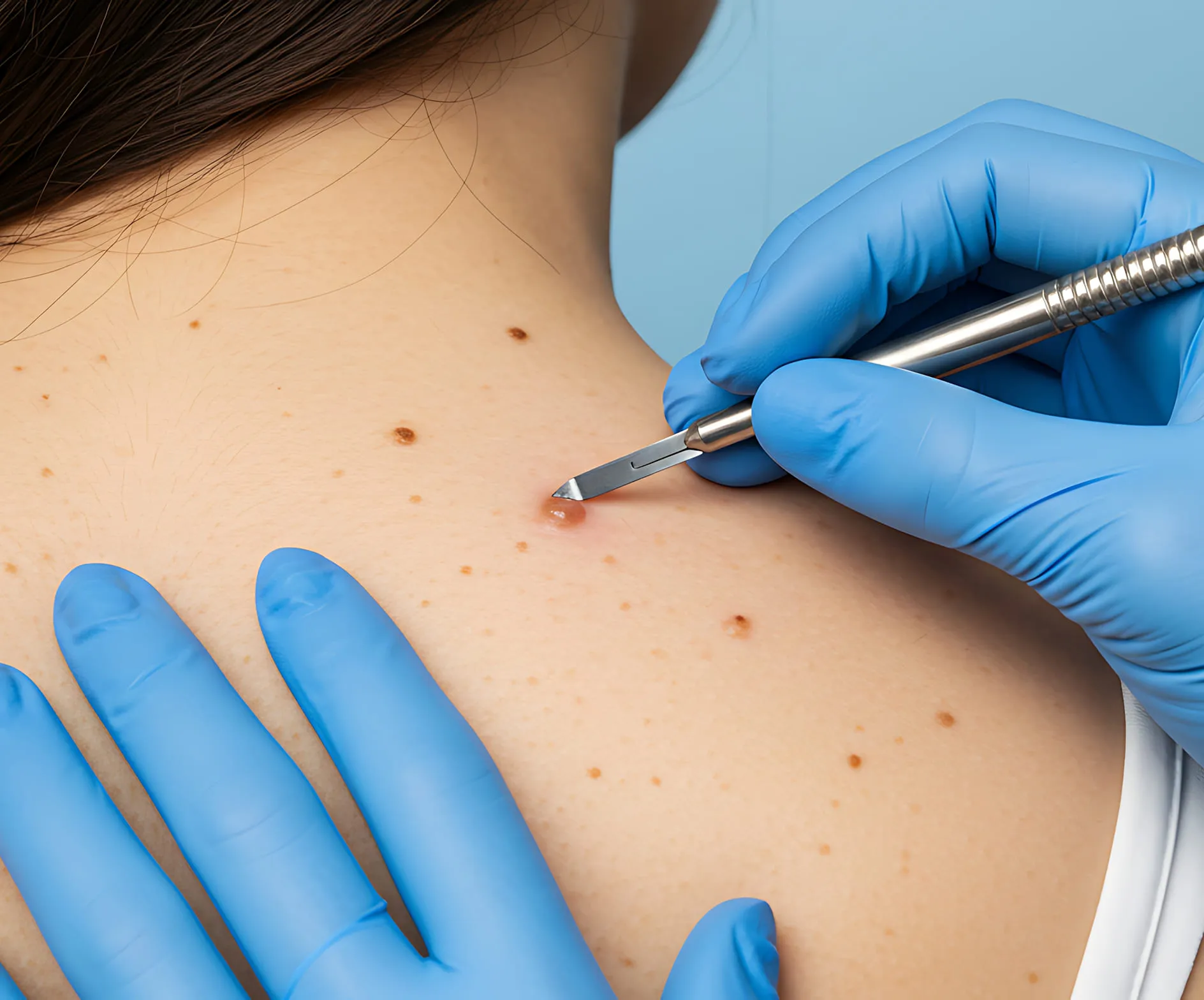
Tissue removal
Dr. Hedayati removes the visible tumor along with a very thin layer of surrounding tissue.
Microscopic examination
The tissue is processed onto slides and examined under a microscope to check for any remaining cancer cells at the edges.
Sequential layering:
If cancer cells are still present, another thin layer is removed only from the specific area where the cancer remains. This process continues until the margins are clear.
Wound repair
Once the cancer is entirely removed, Dr. Hedayati utilizes his fellowship training in reconstructive surgery to repair the wound using stitches, a skin flap, or a graft to ensure the best aesthetic outcome.
Frequently Asked Questions
Got any more questions?
Get in touch with usMohs surgery has the highest cure rates, removing up to 99% of new skin cancers while preserving the maximum amount of healthy tissue. Unlike traditional excisions, it examines 100% of the surgical margin during the procedure, ensuring complete removal with minimal scarring. For the best results and cosmetic outcomes, we always recommend seeking a fellowship-trained Mohs surgeon.
Yes, Mohs surgery is performed under local anesthesia, so you will be awake while the area is completely numb and comfortable. Because general anesthesia is not required, most patients can eat beforehand, drive themselves home afterward, and recover quickly.
Most patients recover within 1 to 2 weeks, though healing time depends on the size and location of the wound. In many cases, Dr. Hedayati uses advanced suturing techniques to make recovery easier. While initial healing happens quickly, the appearance of the scar will continue to refine and improve for several months.
Dr. Hedayati completed a rigorous fellowship in Micrographic Surgery and Dermatologic Oncology. This additional training equips him with advanced expertise not only in the precise removal of skin cancer but also in complex aesthetic reconstruction, ensuring your skin health and appearance are in the best possible hands.
Got any more questions?
Get in touch with us